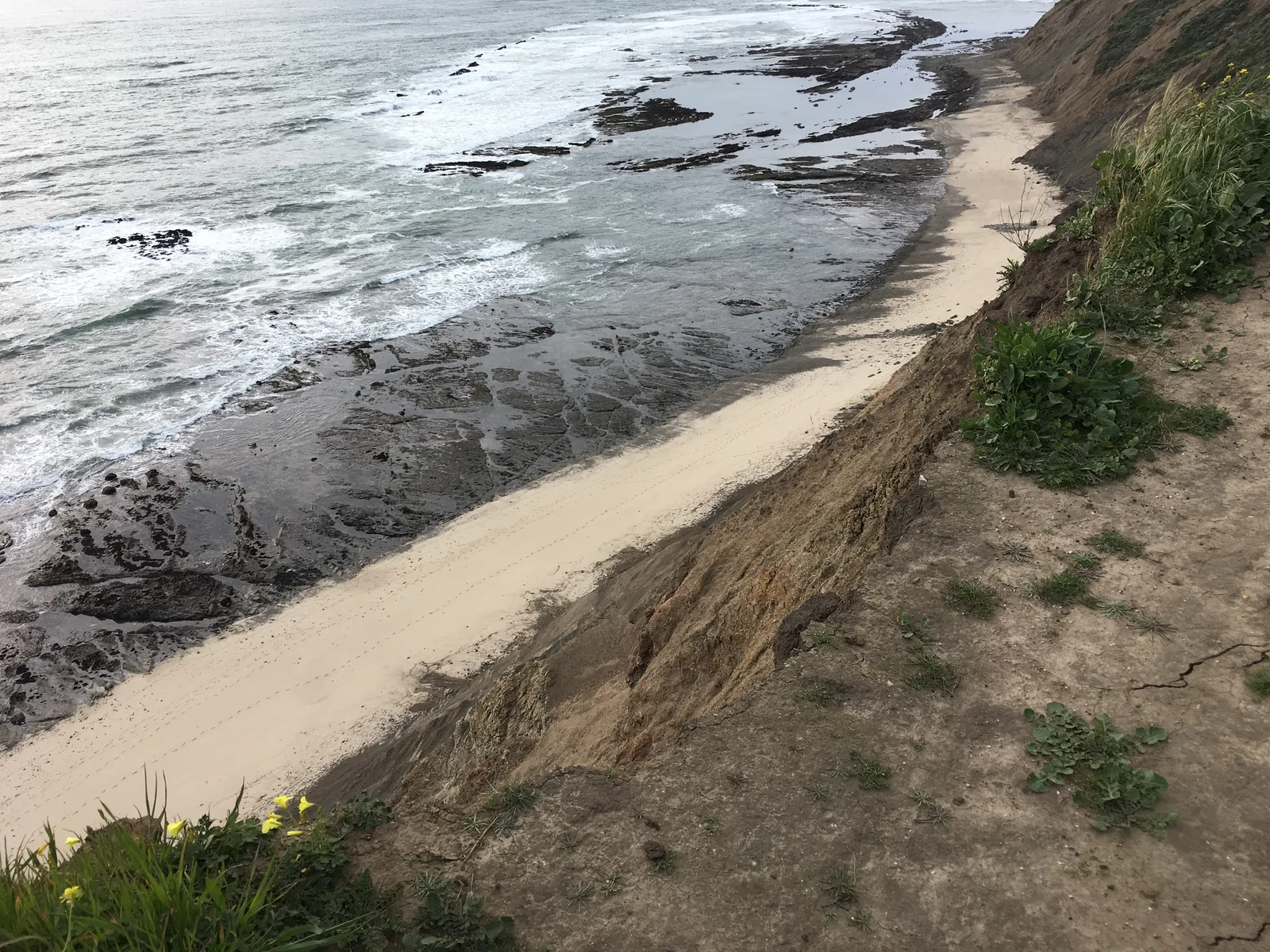
What Is Slow Parenting? Notes From Our California Trip
We just got back from California with our 4-year-old and 22-month-old. And somewhere between the delayed flight, the toddler meltdown in the airport, and the moment my older son stopped to watch a lizard for fifteen uninterrupted minutes while his brother tried to eat sand, I was reminded of something I keep forgetting.
Slow is not the same as lazy. And presence is not the same as productivity.
The Balance We're All Trying to Find
I think about child development constantly. It's literally my job. I know which activities support which skills. I know the research on play, on language exposure, on the importance of outdoor time. And I believe in being intentional about how we spend time with our kids.
But sometimes that knowledge tips into anxiety. When you know that narrating your day supports language development, you can start to feel like every silent moment is a missed opportunity. When you know that sensory play builds neural connections, a quiet afternoon can feel like wasted time.
This trip helped me find some balance.
What Slowing Down Actually Looked Like
On one of our days in California, we had nowhere to be. No obligations, no schedule. Just a morning with nothing planned.
My 4-year-old found a stick. He carried that stick for two hours. He poked things with it. He dragged it along fences. He tried to fit it into spaces it clearly would not fit. He talked to it. Meanwhile, his little brother toddled behind him, picking up rocks and handing them to me like they were precious gifts.
My instinct was to redirect. To find something more "enriching." To at least narrate what they were doing so we could squeeze some language development out of this stick-and-rock situation.
Instead, I just watched. I sat on a bench and let them lead. I answered when they talked to me. I stayed quiet when they didn't.
It was boring. It was also exactly what they needed. And maybe what I needed too.
Redefining What "Counts"
Here's what I keep coming back to: we have a narrow definition of what counts as developmental time with our kids.
Structured activities count. Reading books counts. Flashcards definitely count. But a 4-year-old spending two hours with a stick? A toddler collecting rocks? That feels like filler, like the time between the things that matter.
Except it's not. Unstructured play is where kids practice focus, creativity, problem-solving, and self-direction. These aren't lesser skills. They're foundational ones.
The goal isn't to choose between intentional activities and free play. It's to recognize that both are doing real developmental work, and to make sure we're not so focused on the first that we crowd out the second.
Watching My Kids Together
One unexpected gift of the trip was watching my boys interact without the usual distractions of home. No familiar toys. No routines. Just each other.
My older son is figuring out how to be a big brother. Sometimes that looks like showing his little brother how to do things. Sometimes it looks like snatching things away because he got there first. Both are normal. Both are part of learning how to be human.
When I'm not rushing them from one thing to the next, I get to see more of this. The small negotiations. The moments of genuine tenderness. The way the little one watches his big brother like he's the most fascinating person in the world.
I miss a lot of that when I'm focused on what we should be doing next.
What I'm Taking Home
I came back from California with a few reminders I'm trying to hold onto:
- Intentional doesn't mean constant. There's real value in purposeful activities that support your child's development. But not every moment needs to be one of those moments. Some of the most valuable time I spend with my kids is time when nothing "productive" is happening.
- Following their lead is its own kind of teaching. When my son spent two hours with that stick, he was working on focus, creativity, and problem-solving. I didn't have to engineer that. I just had to get out of the way.
- Slow is not a luxury. It's easy to treat unhurried time as something we'll get to eventually, when life calms down. But life doesn't calm down. We have to choose slow, even when it feels inefficient.
- Presence is the foundation. All the intentional activities in the world don't mean much if we're not actually there, tuned in, noticing what our kids are interested in and what they're ready for. That attention is what makes everything else work.
The Hard Part
I'm not going to pretend this is easy. Finding the balance between being intentional and being present is a constant negotiation.
I built Puffling because I believe in giving parents simple, purposeful ways to support their child's development. Milestone-based activities matter. Knowing what skills your child is working on matters. Having a plan matters.
But the plan isn't the point. The connection is.
The best activities are the ones where you're actually engaged with your child, not performing enrichment for an invisible audience. Sometimes that's a carefully chosen activity tied to a developmental milestone. Sometimes it's sitting on a bench while your kid pokes things with a stick.
Both count. Both matter. The key is being there for it.
Puffling sends you one simple activity each day, so you can stop scrolling for ideas and start being present. Because parenting isn't about doing more. It's about doing what matters.
Ready to make playtime magical?
Get personalized play ideas for your child in seconds.
Download Free